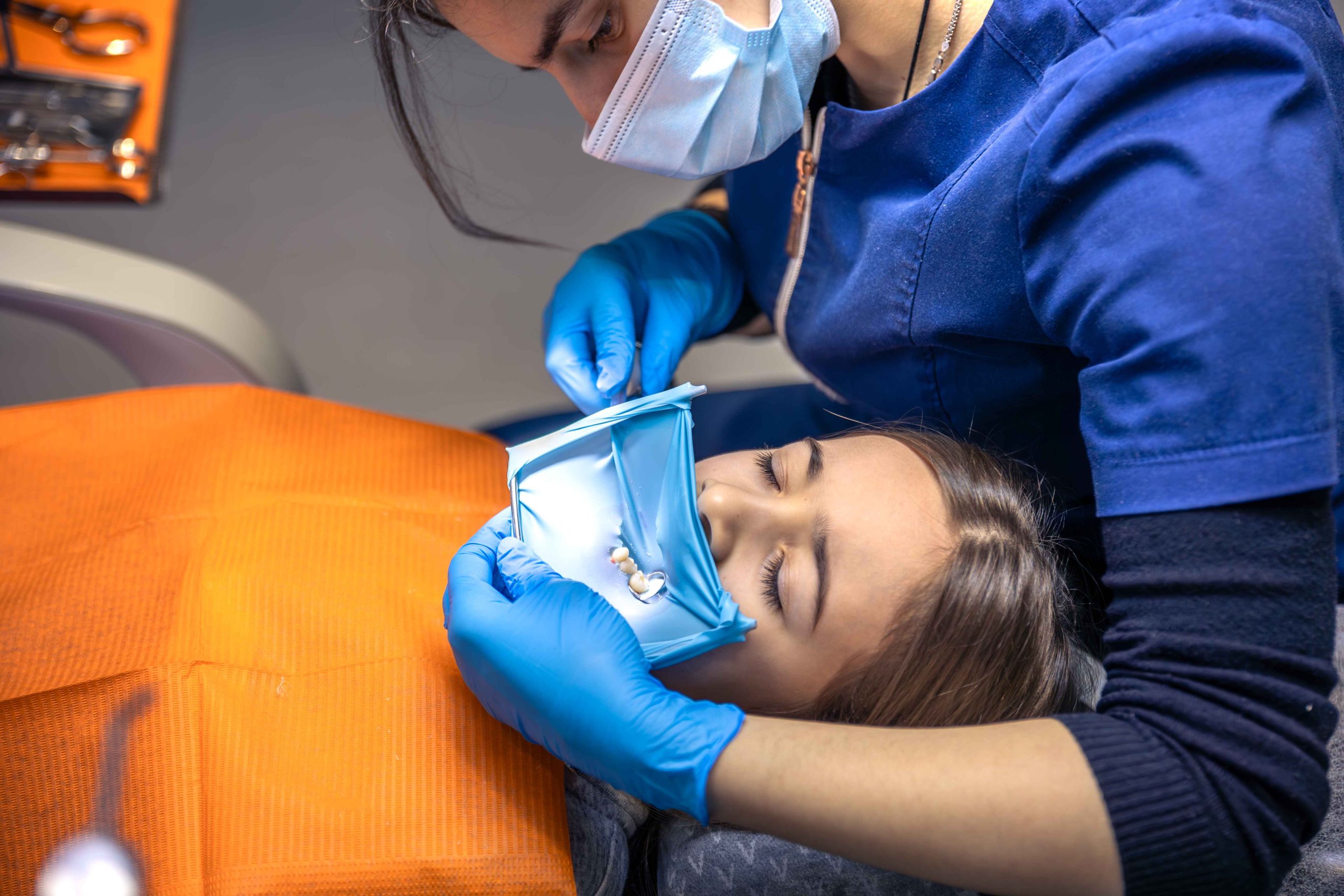
Dental surgery can cause a sore, swollen, uncomfortable mouth for several days. While it is normal to experience some discomfort, proper aftercare procedures can help facilitate the recovery process. Since every procedure is different, the instructions of your dentist always come first.
However, the good news is that aftercare doesn’t have to be complicated. Softer foods, gentle cleaning, as well as enough rest can make those first few days much easier.
What to Expect During Dental Surgery Recovery
After treatment, your mouth may feel different. You might also notice some swelling, mild pain, bruising, or difficulty in opening your mouth. These symptoms are often more noticeable during the first few days and will gradually settle.
During this time:
- Get plenty of rest.
- Leave the treated area alone.
- Take medication as advised.
- Attend any recommended follow-up appointment.
At Dental Oasis, our dental team can also explain what you should expect after your particular procedure, so you’re not left guessing once you get home.
5 Tips to Support a Smoother Recovery
The first few days are the ones to be a little careful about. These few tips will help you stay comfortable during the healing of your mouth.
1. Follow Your Dentist’s Instructions
Your dentist knows what was done during your dental surgery, so their advice should take priority over general information online.
You may receive instructions about:
- Taking prescribed medication
- Eating and drinking
- Cleaning your mouth
- Returning for a check-up
If something isn’t clear, ask your dentist rather than guessing.
2. Stick to Softer Foods
Eating may feel uncomfortable when your mouth is sore. However, softer foods are usually easier to manage during the first few days.
Try options such as:
- Yoghurt
- Mashed potatoes
- Scrambled eggs
- Soft pasta
- Cooled soup
Until your mouth feels more comfortable, avoid very hot, hard, crunchy, sticky, or chewy foods. If you are still numb, be especially careful with hot food and drinks as well.
3. Keep Your Mouth Clean
You still need to look after your teeth, but be gentle around the treated area. Forceful rinsing or spitting immediately after some procedures can not only disturb the blood clot but also affect healing.
You can:
- Brush the other teeth carefully.
- Avoid the treated area unless advised otherwise.
- Follow your dentist’s instructions about rinsing.
- Use recommended mouthwash as directed.
There is no need to scrub the area or keep checking it with your tongue. Sometimes, leaving it alone is the best thing you can do for smooth recovery.
4. Rest and Avoid Smoking
Your body needs time to recover after dental surgery. Take things slowly for the first few days rather than jumping straight back into your usual routine.
Try to:
- Get enough sleep.
- Avoid strenuous exercise.
- Stay away from smoking and vaping.
- Avoid anything that irritates the treated area.
Smoking and vaping can interfere with healing as well as may increase the risk of complications, so giving your mouth time to recover is important.
5. Pay Attention to Your Symptoms
Some soreness and swelling can be part of normal healing. However, if your symptoms start getting worse instead of better, don’t simply wait and hope they settle.
Contact your dentist if you notice:
- Heavy or ongoing bleeding
- Increasing pain
- Severe or worsening swelling
- Fever or feeling unwell
- Unusual discharge or a persistent bad taste
In case you feel something is wrong after treatment, contacting your dental team is better than trying to work it out yourself.
Conclusion
In a nutshell, recovering after dental surgery is mostly about giving your mouth time to heal. Follow the instructions provided by your dentist, choose soft foods, keep up with gentle oral hygiene, and also give yourself enough rest.
If something doesn’t look right, don’t hesitate to ask your dentist. Just a brief discussion can put you at ease and help you stay on track for recovery.